
Sabarimala Pilgrimage: Exploring the Spiritual Journey and Its Contemporary Questions
12/8/2025
In the dense heart of Kerala’s forests lies a temple that doesn’t just test your feet, but your spirit. Sabarimala — not merely a destination, but a transformation and a sanctum echoing with the prayers and footsteps of seekers.One of India’s most powerful pilgrimages, where each step is laced with myth, discipline, and inner awakening. Over the centuries, the temple and its rituals have inspired faith and devotion, while also facing challenges that invite reflection on the interplay between tradition, spirituality, and modern values.
Born of the Divine Paradox
The Story of Ayyappa
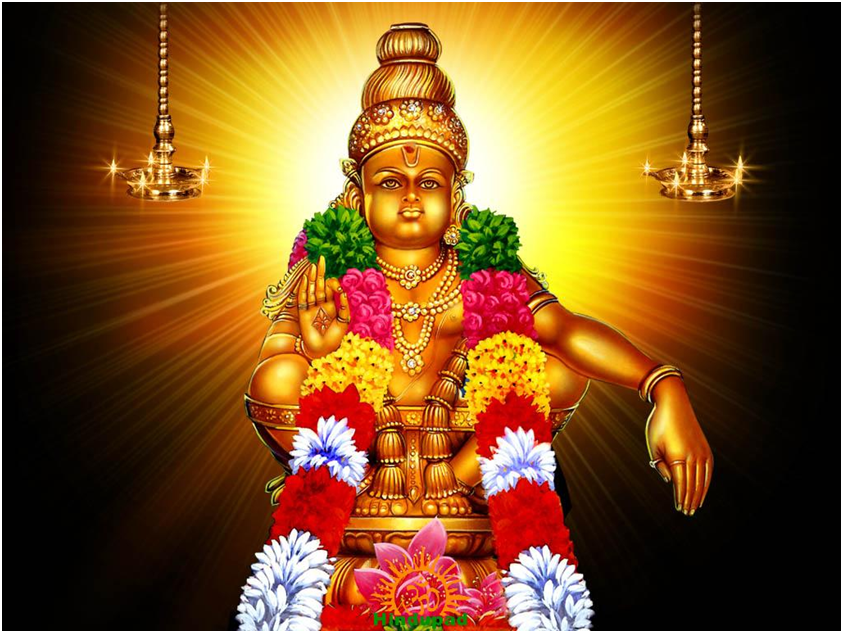
The tale of Lord Ayyappa, the presiding deity of Sabarimala, begins in the realm of gods, at the crosscurrents of myth and devotion. Born from the fateful union of Lord Shiva and Mohini—the enchanting feminine form of Vishnu—Ayyappa arrived in this world not merely as a child, but as a living purpose. Left to the wilds beside the Pampa River, it was destiny that placed him in the arms of King Rajashekhara of Pandalam—a monarch whose longing for an heir was answered by this mysterious boy adorned with a radiant jewel. He is named Manikandan and raised with love — not as royalty, but as a promise, Manikandan, named for the radiant jewel at his neck.
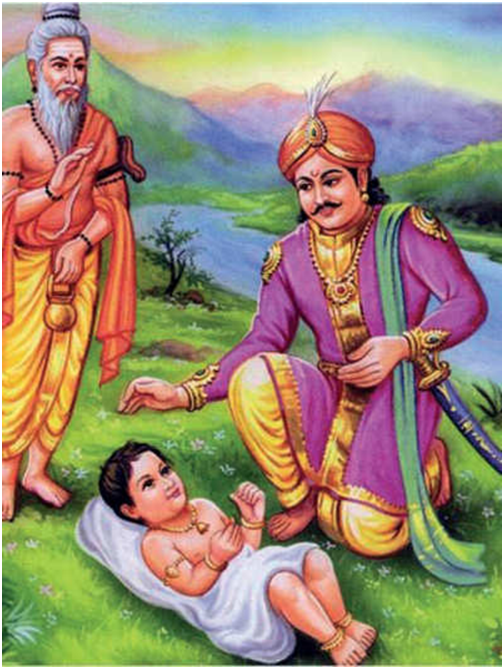
As Lord Ayyappa grew older, he displayed extraordinary strength, wisdom, and divine qualities. One day, the queen of Pandalam pretended to be ill and claimed that the only cure for her condition was tiger’s milk. This was part of a plot, as some ministers were jealous of Manikandan’s growing popularity. Without hesitation, young Manikandan took the queen’s words seriously and set off into the forest to fetch the tiger’s milk.
But this journey was not just about the cure—it was destiny in motion. Deep in the forest, Ayyappa encountered the fierce demoness Mahishi, who had received a powerful boon: she could only be killed by the child born from both Shiva and Vishnu. After a fierce and legendary battle, Ayyappa defeated and killed Mahishi, fulfilling the divine purpose behind his birth.
His return to the kingdom was no less miraculous—he came back riding a tigress, with a herd of tigers following him. The king and all the people were overwhelmed by this divine sight and realized his true identity.
His victory not only brought peace to the world but also established him as a beloved deity, worshipped for his courage, compassion, and righteousness.
But something unexpected happened—after her defeat, Mahishi’s anger disappeared, and this transformed version of her is called Malikapurathamma. She realized Lord Ayyappa’s greatness and asked him to marry her. Ayyappa kindly told her that he had taken a vow to remain a celibate (brahmachari), but he had made a promise. He said, “If a new devotee ever stops coming to Sabarimala, I will marry you.” Malikapurathamma agreed and chose to remain near his temple as Manjamatha, a goddess. Even today, it is said that she waits for the day she will marry Ayyappa. There is a temple dedicated to her near Sabarimala, and devotees visit her shrine as part of their pilgrimage.
Walking the Silence
The Forest Path to Sabarimala
The path to the Sabarimala temple is through thick forests and hills. This journey is not easy and teaches patience, discipline, and humility. The pilgrimage begins not on the path, but in the mind — with a 41-day vratham of simplicity, celibacy, prayer, and restraint. Waking early, eating simple food, staying away from anger and bad habits, and chanting prayers — just silence and selfhood.

Then they walk through the forests, crossing rivers and hills, barefoot and carrying a small sacred bundle on their head called "Irumudi Kettu." The holy river they cross, chanting “Swamiye Saranam Ayyappa,” is the Pampa River, where they take a bath before climbing the final steps to the temple. This river is considered sacred because it is close to the place where Ayyappa was found as a baby.
The journey isn’t a test. It’s a ritual of remembrance — of the boy deity, the forest, and the soul’s own rawness.
Irumudi
The Bundle of Becoming
The Irumudi Kettu is a sacred bundle carried by Sabarimala pilgrims, symbolizing devotion and spiritual discipline. It has two compartments: the Munmudi (front pouch) and Pinmudi (rear pouch).
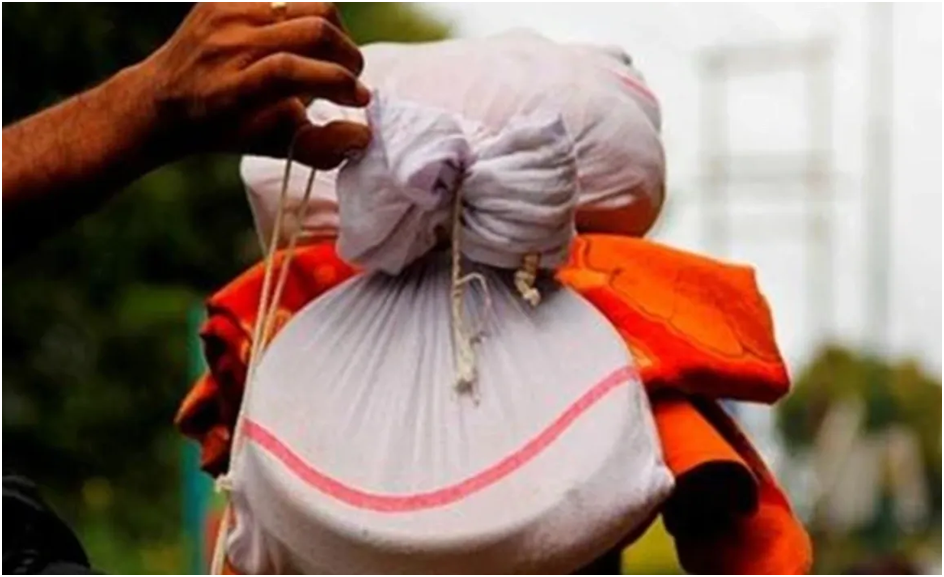
The Munmudi contains offerings for Lord Ayyappa, including a ghee-filled coconut (Nei Thengai), rice, turmeric, sandalwood, sacred ash (vibhoothi), rose water, camphor, incense, jaggery, dry fruits, spices, and a blouse piece. The Pinmudi holds the devotee’s items like rice, beaten rice (avil), puffed rice (malar), jaggery, sugar candy, dry grapes, and coconuts—one for breaking before climbing the 18 steps, and another for the return journey. The ghee-filled coconut represents the devotee's body and soul, which is symbolically offered to the deity during the Neyyabhishekam ritual. The preparation of the Irumudi, known as Kettunira, is a deeply revered ritual performed under the guidance of a Guruswamy, ensuring the bundle is packed with care and devotion. The Irumudi is considered a sacred vessel that should never touch the ground. For in it, you don’t just carry things — you carry your surrender.
Pathinettampadi
The 18 Steps to the Self
The Pathinettampadi, or 18 divine steps at Sabarimala, are not merely architectural elements—they represent a sacred spiritual ascent. Each step is a metaphor, a rung in the ladder from ignorance to knowledge. Only devotees who observe a strict 41-day vratham and carry the Irumudi Kettu are allowed to climb them, symbolizing physical, mental, and spiritual purification. This rule reflects the belief that a devotee must purify the body and mind before approaching the divine. Each step carries profound meaning: the first five signify the five senses (Indriyas) —sight, sound, smell, taste, and touch; the next eight represent the Ashta Ragas—or emotional obstacles, such as desire (kama), anger (krodha), delusion (moha), greed (lobha), pride (mada), jealousy (matsarya), ego (ahamkara), and attachment to worldly elements (tatwa). The following three steps stand for the three gunas—Satva (purity), Rajas (activity), and Tamas (ignorance)—which bind humans to the cycle of life. The 17th and 18th steps reflect Vidya (spiritual knowledge) and Avidya (ignorance), respectively. Crossing all 18 steps symbolizes the devotee’s journey from ignorance to enlightenment and prepares them for the divine darshan, called Punyadarshan, of Lord Ayyappa.
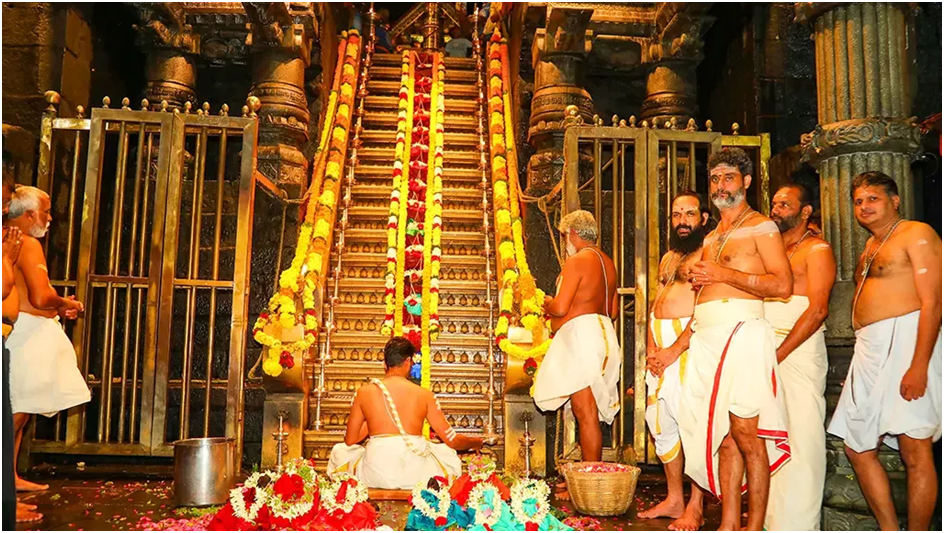
Symbolically, the climb represents the devotee’s journey from material entanglement to spiritual liberation. Other interpretations connect the steps to the 18 Puranas, Lord Ayyappa’s 18 weapons used to defeat Mahishi. Another belief sees the steps as representing five elements (earth, water, fire, air, and space), the Karmendriyas (organs of action), Jnanendriyas (organs of knowledge), and then the mind, intellect, and soul. These many interpretations all share a common theme: that a devotee must rise above bodily desires, emotional disturbances, and ignorance to truly unite with the divine. Traditionally made of stone, the steps are now sheathed in Panchaloha, a sacred five-metal alloy used in idols and temples. Devotees bow and touch each step with reverence. Ascending the Pathinettampadi is more than a ritual—it is a transformative act of surrender, discipline, and spiritual awakening, culminating in the divine darshan of Lord Ayyappa. Reaching the top, where Lord Ayyappa sits in yogic posture, represents reaching the highest state of consciousness. This makes the Pathinettampadi one of the most spiritually meaningful experiences in the entire pilgrimage.
At the threshold of the Sabarimala sanctum, just beyond the 18 sacred steps, the words "Tat Tvam Asi" are inscribed in Sanskrit—meaning "You are That" or "You are divine." Drawn from the ancient Upanishads, this profound Vedantic teaching reminds devotees that the divinity they seek in Lord Ayyappa also resides within themselves. It conveys the core spiritual idea that the Atman (individual soul) and Brahman (Supreme Reality) are one and the same.
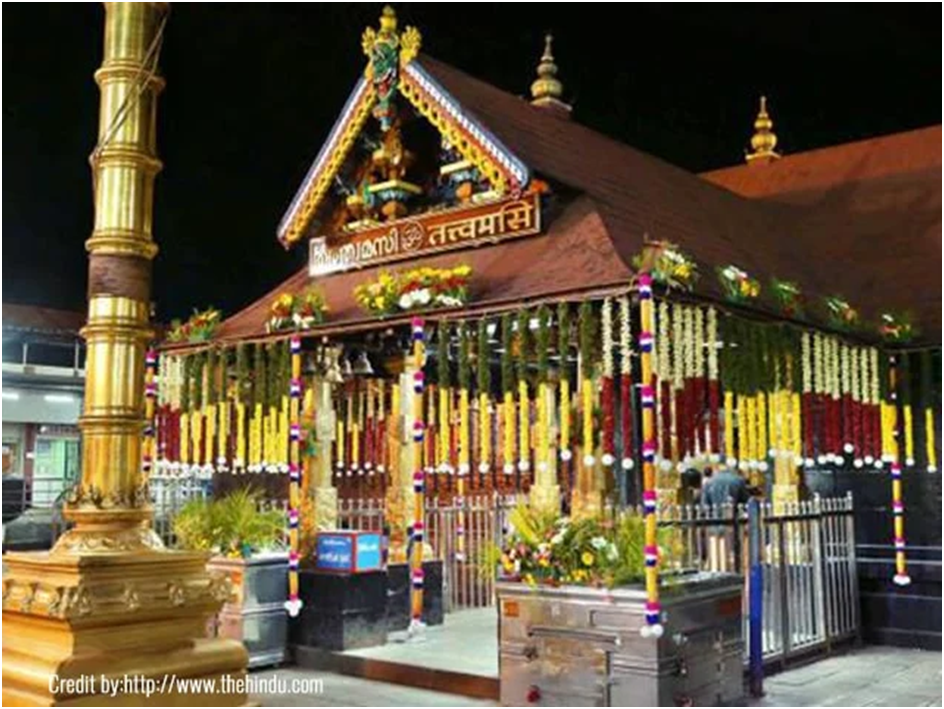
As pilgrims ascend the Pathinettampadi, this message serves as a spiritual mirror, urging them to purify their minds and reflect inward. The pilgrimage, therefore, is not only about reaching the deity but realizing the divine presence within. "Tat Tvam Asi" elevates the experience from a physical ritual to a deep personal awakening, reinforcing that the ultimate goal is self-realization.
Makara Vilakku:
Light on the Horizon
Makara Vilakku is a sacred festival celebrated at the Sabarimala temple in Kerala, marking the culmination of the annual pilgrimage season. Held on Makara Sankranti (around January 14th), it draws millions of devotees who gather to witness the Makara Jyothi—a divine light believed to be a celestial manifestation of Lord Ayyappa. The sighting of this light is considered a deeply spiritual moment, symbolizing the deity’s presence and blessings.
More than just a festival, Makara Vilakku represents a time of spiritual renewal, devotion, and communal faith. It concludes the intense 41-day pilgrimage during which devotees observe strict penance, celibacy, fasting, and self-discipline. For the faithful, the appearance of the Makara Jyothi reaffirms their dedication and marks the spiritual climax of their journey. The festival transforms individual devotion into a powerful shared experience of divine connection and inner purification.
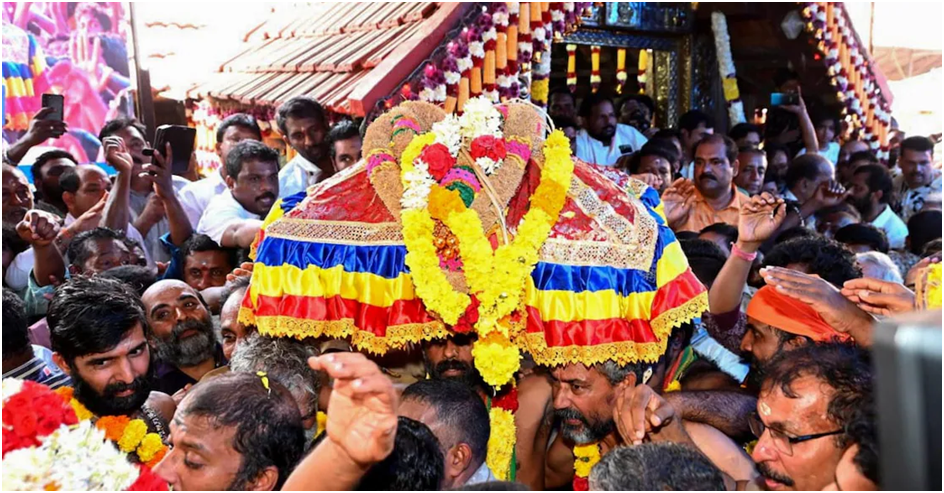
In addition to the spiritual significance, the festival also includes the Thiruvabharanam procession, where the sacred ornaments of Lord Ayyappa are brought from the Pandalam Palace to the temple. This procession is a grand event, accompanied by chants and rituals, highlighting the rich cultural heritage associated with the festival.
Makara Vilakku serves as a reminder of the enduring faith and devotion of the devotees, the rich traditions of Kerala, and the spiritual journey undertaken by those who seek the blessings of Lord Ayyappa.
A Temple That Rose from Ashes
The Story of Fire, Ruin, and Resilience
In 1950, the holy Sabarimala temple, which is believed to have been set up by Sage Parashurama, was badly damaged in a shocking and cruel attack. On the night of June 14, the sanctum sanctorum — the spiritual core of the temple — was deliberately set on fire. The idol of Lord Ayyappa was mercilessly shattered with an axe, and the shrine’s brass-plated doors bore fifteen gaping wounds, each a mark of intentional violence. This was not just destruction; it was a savage, unforgivable assault on the faith and devotion of millions of believers. The attackers showed no respect for the holiness of the place or the deep sentiments of devotees who consider Sabarimala a divine abode. Such a barbaric act is nothing short of sacrilege and deserves the harshest condemnation.
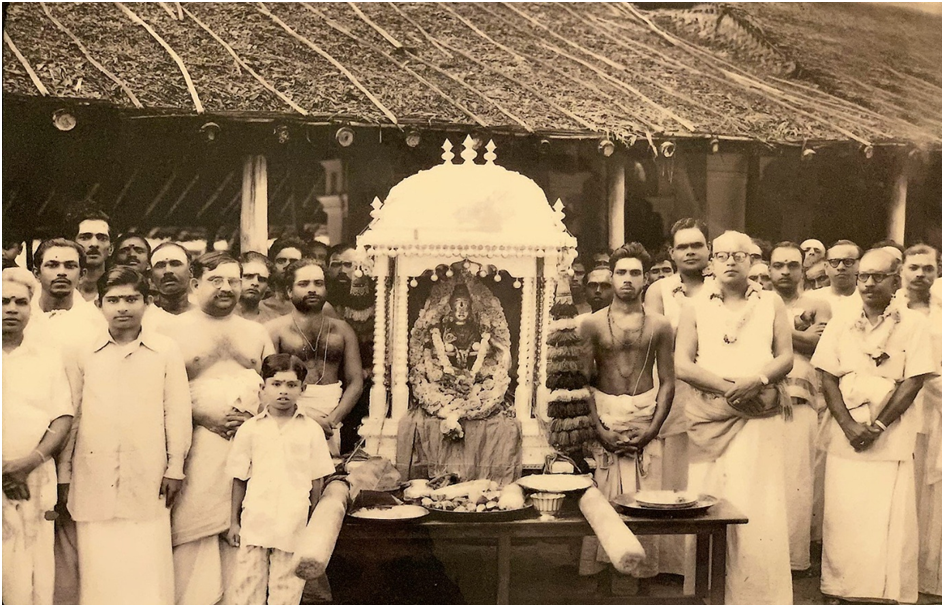
After the shocking fire and damage to the original idol at Sabarimala, a new idol was made to bring back the temple’s holiness. Three identical idols were created, and through a deva prashnam (a divine ritual), the idol brought from Tamil Nadu was chosen. The temple’s head priest, Kandararu Sankararu, led the ceremony to install the new idol in 1951. Made of Panchaloha (a mix of five sacred metals), the idol helped continue the worship traditions. However, the painful memory of the attack still reminds us how important it is to protect our sacred places from such harm.
The Question on Women’s Entry !
The restriction on women’s entry to Sabarimala is rooted in the temple’s unique tradition, honoring Lord Ayyappa as a lifelong celibate (brahmachari). Accordingly, women between the ages of 10 and 50, typically of menstruating age, have traditionally not been permitted. This practice isn’t about impurity or exclusion, but about aligning with the spiritual discipline of the deity. In ancient times, menstruation was regarded as a sacred and natural cycle, not something dishonourable. Rest and reverence during this phase reflected cultural respect for womanhood.
This debate highlights how spiritual customs can be misinterpreted over time. Many Hindu temples also restrict men under certain traditions, proving such customs are context-specific rather than purely gender-biased. In contrast, some global religious spaces impose far stricter prohibitions on women. The Sabarimala issue opens deeper questions: Are we honoring true spiritual intent, or following outdated norms? How do we balance tradition with fairness? A thoughtful understanding of the cultural, biological, and spiritual layers involved is essential for an honest and respectful dialogue about religion, gender, and equality.
To conclude,
The Sabarimala pilgrimage is not just a religious journey but a powerful expression of faith, resilience, and cultural identity. While its sacred traditions inspire devotion, they also spark important discussions around inclusion, equality, and respect for diverse beliefs. By exploring the deeper meanings behind its rituals and restrictions, we can foster greater empathy and understanding. As society progresses, the challenge is to honour age-old traditions while embracing fairness and openness, ensuring that the spiritual essence of Sabarimala remains vibrant and relevant for future generations. So when the forest calls—listen.
Sabarimala awaits those willing not just to walk, but to awaken.
“Swami Saranam! Swami Saranam! Swamiye Saranam Ayyappa! “
Note from the author,
Santhana Srinivasan R, EC23I2005
I’m someone who finds deep meaning in temple travel—not just for worship, but for understanding the stories, values, and culture that each sacred space holds. To me, a temple is not just a structure; it is a living narrative of the region’s traditions.
And also as a proud Bhartiya, I’m naturally drawn to the diverse art forms that make India spiritually and culturally rich.
Though Sabarimala may not showcase grand artistic displays, its devotion, discipline, and deep-rooted customs embody a unique spiritual art of their own—one that continues to move me every time I reflect on it.