
Soft Power in Motion: India’s Cultural Resonance in the 21st Century
25/8/2026
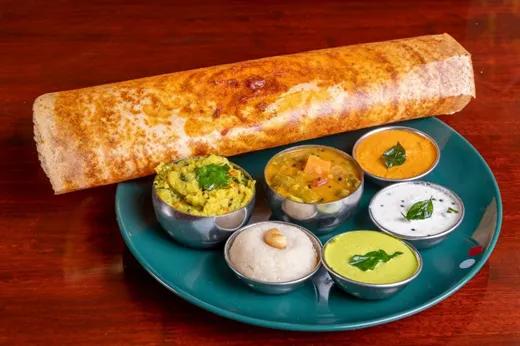
Do you know that over 190 countries celebrate International Yoga Day every year on June 21, a resolution proposed by India and adopted by the United Nations in 2014? Ayurveda, India’s 5,000-year-old healing system, is now a $10 billion global wellness industry, influencing health practices across continents. Indian cuisine, once regional, has become truly global — with over 80,000 Indian restaurants worldwide, serving everything from butter Paneer in London to authentic dosas in New York. Meanwhile, the Indian Film Industry, producing over 1,500 films annually, reaches audiences in more than 90 countries. Together, these elements form the pillars of India’s soft power — spreading harmony, health, and happiness far beyond its borders, and showcasing a civilisation that continues to inspire through culture and compassion.
This article, written by Yogesh M., highlights India’s growing soft power through all these elements. It explores how these cultural pillars promote wellness, harmony, and creativity worldwide, showcasing India’s influence not through dominance, but through shared values, heritage, and the universal language of culture and compassion.
On a languid Sunday afternoon, I was watching a travel vlog on YouTube and a scene caught me off-guard: The vlogger, exploring a remote cafe in Lisbon, paused to show an Indian song playing softly in the background — an old Indian classic “Hum Tere Pyar me Sara Alam Kho baithe hai kho baithe”. Locals hummed along, even without knowing the words. It struck me then — India’s stories, rhythms, and spirit had travelled far beyond its borders, weaving themselves quietly into the global cultural fabric. In that moment, I realised — India’s narratives are no longer confined to Mumbai or Kolkata; they are echoing, in fragments, through Budapest, Nairobi, Baku, and Istanbul. Whether through yoga studios in New York, Ayurveda retreats in Bali, Indian restaurants in London, or Shah Rukh Khan's fan followings in the Middle East, India’s cultural imprint is gently shaping hearts and minds across continents.
From the dawn of human civilisation, India has stood as a beacon of wisdom and cultural generosity — sharing its philosophies, sciences, and spiritual insights with the world. Long before “soft power” became a modern diplomatic term, India practised it effortlessly — through the exchange of ideas, art, and compassion. The teachings of the Vedas spread concepts of harmony and dharma; ancient universities like Nalanda and Takshashila drew scholars from distant lands; traders carried not just spices and silk, but stories, music, and philosophy — India’s cultural soft power is a symphony of ancient wisdom and modern dynamism.
The Breath of Unity: Yoga
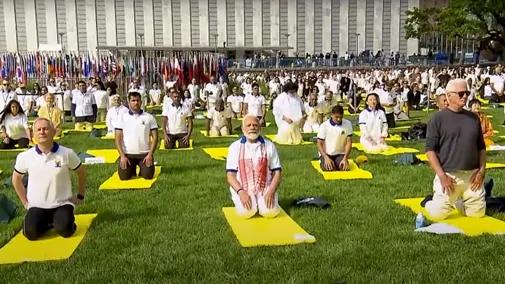
As stated earlier that over 190 countries celebrate International Yoga Day every year on June 21. Yoga stands as one of India’s most profound offerings to humanity. Born in the folds of ancient philosophy, it transcends the realm of physical exercise to become a complete way of life — harmonising body, mind, and soul. Originating thousands of years ago, it shows that strength, balance, and peace can coexist. Beyond spiritual growth, yoga keeps the body healthy: enhancing flexibility, reducing stress, improving heart health, and boosting overall immunity.

From Himalayan monasteries to New York rooftops and from mountain retreats in Rishikesh to bustling gyms in Tokyo, yoga serves as a common rhythm of breath and balance. The United Nations’ declaration of June 21 as International Yoga Day is a recognition of this timeless gift that promotes global peace and balance.
In 2015, India’s Prime Minister Narendra Modi famously led world leaders in a yoga session at the UN, demonstrating how this practice unites nations in harmony.
Spices, Stories, and Shared Tables
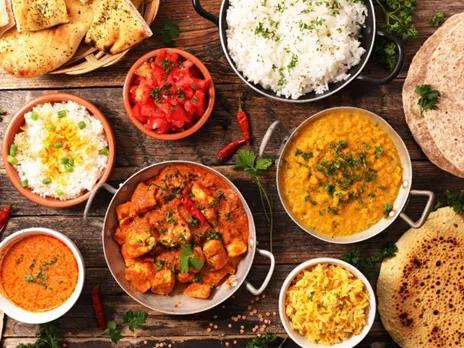
If Yoga is the ambassador of India’s spirit, Indian Cuisine is the undisputed diplomat of its heart. The sheer diversity of regional food — from the rich, creamy curries of the North to the tangy, coconut-laced seafood of the South — makes it one of the world’s most desired culinary experiences. Indian cuisine is not just food — it is storytelling on a plate. The journey of spices — pepper from Kerala and Karnataka, chillies from Guntur, saffron and apples from Kashmir, and Alphansos of Konkan — mirrors India’s engagement with the world.
For centuries, Indian spices have travelled far beyond the subcontinent, carrying with them stories of trade, discovery, and cultural exchange. Long before modern globalisation, pepper, cardamom, cinnamon, turmeric, and cloves from India were prized commodities in distant lands. The ancient spice routes — both maritime and overland — connected the ports of Kerala, Tamil Nadu, and Gujarat to Arabia, East Africa, Southeast Asia, and Europe. Roman kitchens valued Indian pepper more than gold, while Arab traders became the earliest ambassadors of India’s aromatic wealth, spreading its flavours across the Middle East and North Africa.
The lure of Indian spices reshaped world history. European powers ventured across unknown seas in search of the “spice islands,” and India stood at the heart of this global quest. Vasco da Gama’s arrival on the Malabar Coast in 1498 was driven not by conquest alone, but by the desire to access India’s spice trade directly. Indian spices soon found their way into European cuisines, preserving food, enhancing taste, and influencing culinary traditions that continue to this day.
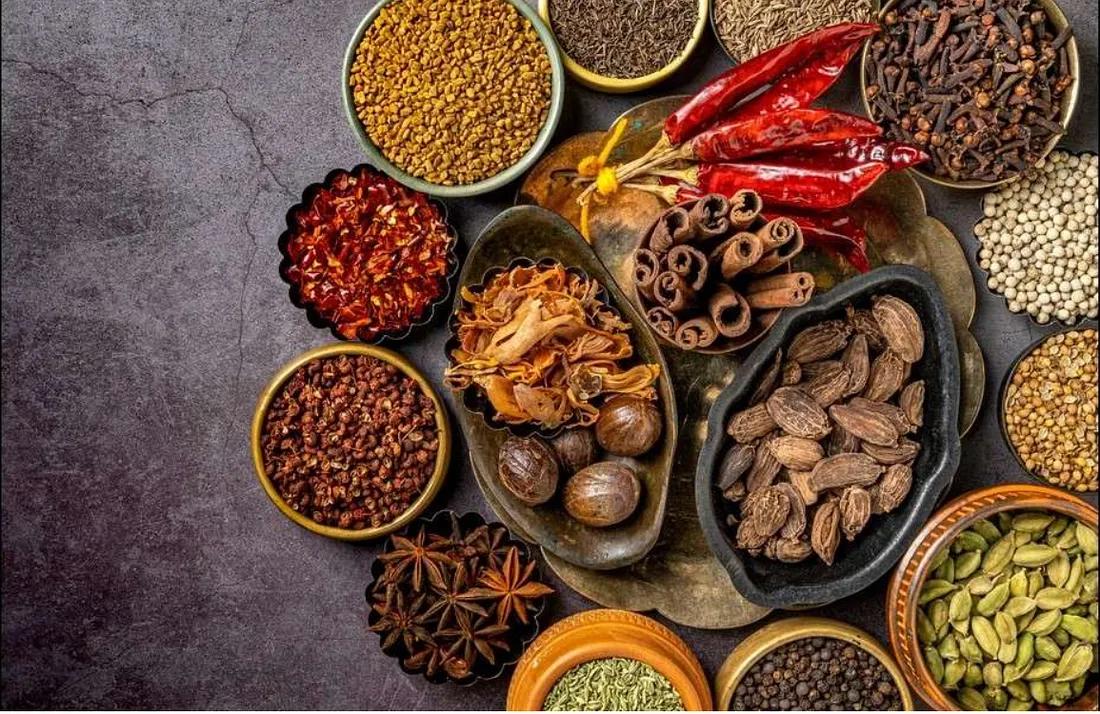
Indian spices were not merely ingredients; they were symbols of health, prosperity, and refinement. Turmeric was revered for its medicinal value, saffron for its luxury, and cloves and cardamom for their fragrance and warmth.
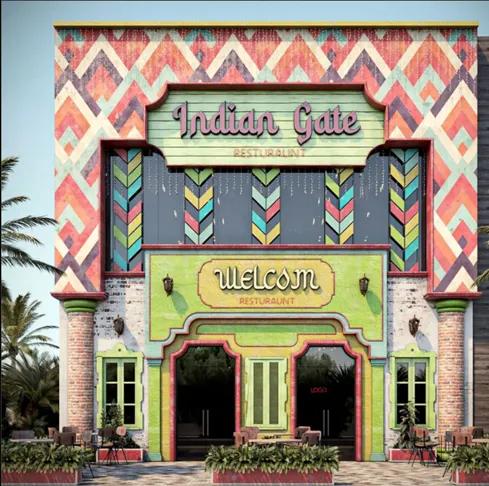
London celebrates Curry Week, New York boasts Michelin-starred Indian chefs, and masala chai has become a household favourite, from Sydney to San Francisco. Sharing a thali in Dubai, a bowl of biryani in Singapore, or a plate of samosas in Paris is not just eating; it is participating in a centuries-old dialogue of culture, celebration, and community. Through its cuisine, India has built a network of soft influence — inviting the world to taste, to savour, and to connect.
Indian Film Industry: The Emotional Language of a Billion Dreams
When the lights dim and the opening credits roll, Indian Films don’t just entertain — they connect.
Indian cinema, one of the world’s largest and most vibrant, has become a bridge of feeling between nations. Its music, dance, and drama speak a universal language. Songs echo in weddings in Africa, dialogues inspire fan clubs in Europe, and Indian actors are recognised from Dubai to Los Angeles. Indian Films’ charm lies in their ability to blend dreams with reality — and in doing so, they project the emotional heartbeat of India to the world. From Mother India and Kantara to RRR and Dangal, Indian Films have evolved from regional storytelling to a global voice celebrating human resilience, family, and love.


In Africa, Mother India (1957) is more than a film: it is a memory. Even decades later, the classic story of a suffering mother whose love endures still resonates because the themes of sacrifice, family, and endurance are universal. In the Middle East, Hindi dialogues slip into Arabic subtitles and local versions. In Malaysia and Indonesia, street shop guys and other locals around kept humming SRK’s Kuch Kuch Hota Hai and other songs. The Oscar-winning song Naatu Naatu from RRR made Telugu cinema a global talking point, while Malayalam films like Drishyam and Jallikattu have been celebrated for their gripping narratives and artistry. Tamil cinema, with visionary directors like Mani Ratnam and Shankar and music artists like Anirudh, has earned acclaim for its visual grandeur and emotional depth. Kannada’s KGF series has captured global streaming audiences, while Marathi and Bengali films continue to shine at international film festivals for their realism and poetic storytelling. Punjabi Songs, on the other hand, have a different level of popularity in the world, featuring artists like Diljith Dosangh and other stars.

M. M. Keeravani, the music composer, and Chandrabose, the lyricist, receiving the Oscar for “Naatu Naatu” for Best Original Song
These cross-cultural dialogues graft India’s narratives onto other soil. Indian Film Industry’s international appeal shapes perceptions, connects the vast Indian diaspora, and serves as an emotional link for millions, proving that sometimes, the most potent diplomatic tool is a three-hour musical with a happy ending.
More than glamour, Indian Films project the soul of India — colourful, chaotic, emotional, and endlessly alive. Through film, India tells the world that humanity, in all its shades, can dance to the same rhythm. India’s film industry has surely become a powerful cultural ambassador of India.
Ayurveda: The Science of Life and Balance
Ayurveda, India’s timeless “science of life,” dates back over 5,000 years and remains a holistic system that emphasises the harmony of mind, body, and environment. Unlike conventional medicine, it focuses on prevention and personalised care, guiding individuals to balance their unique constitution, or dosha, through diet, lifestyle, and therapies. Its core philosophy is simple yet profound: health arises from balance, and wellness comes from living in sync with nature.

Today, Ayurveda has transcended borders, becoming a global symbol of wellness. We can see luxury spa retreats in Bali and ayurvedic clinics in London, from herbal supplements in New York to Ayurvedic beauty products in Paris; its principles are embraced worldwide. Practices like Panchakarma detoxification, herbal treatments, meditation, and dietary regimens are recognised for enhancing immunity, reducing stress, and promoting overall vitality. Iconic herbs such as turmeric, neem, ashwagandha, and tulsi have become integral to international wellness trends, reflecting Ayurveda’s relevance in modern life.

The Indian government actively promotes Ayurveda through initiatives such as the AYUSH ministry, supporting research, global outreach, and standardisation. Its integration into contemporary lifestyles demonstrates India’s ability to adapt ancient knowledge to modern health challenges. Ayurveda’s strength lies not only in its healing properties but also in its philosophy of holistic living — encouraging mindfulness, sustainability, and self-awareness.
The Joyful Contagion: Festivals
India’s ancient traditions are not static; they are living, breathing celebrations that have spilt out of the diaspora and into the world’s consciousness. Indian Festivals are perhaps the most visually attractive and instantly engaging form of soft power, inviting people to participate in pure joy.
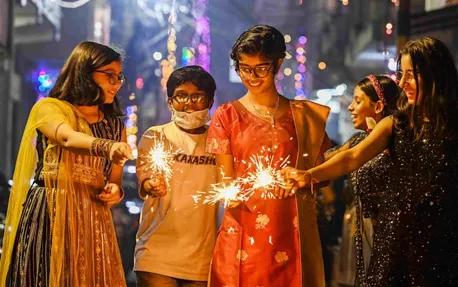
Diwali (The Festival of Lights): Now celebrated in the White House, on the streets of London, and as a public holiday in New York City, Diwali’s universal message — the triumph of good over evil, light over darkness, and knowledge over ignorance — resonates globally. The ceremonial lighting of a traditional earthen lamp (diya) is a powerful, symbolic act that transcends religion and speaks to shared human values.
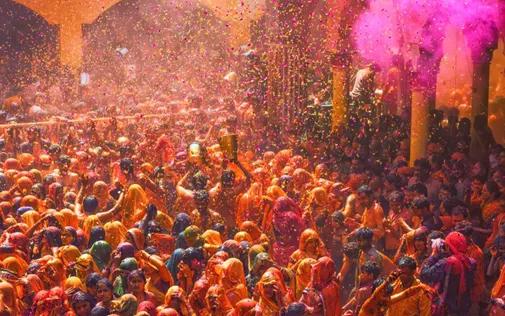
Holi (The Festival of Colours): The cheerful throwing of coloured powders, accompanied by music and dancing, is a global phenomenon. Global ‘Holi Hai’ events are celebrated in parks and public spaces across Europe and North America, offering a memorable, tactile experience of Indian culture.
Kumbh Mela: Recognised by UNESCO as an Intangible Cultural Heritage, this massive gathering is a living testament to India’s spiritual vitality and logistical capacity, attracting global seekers to its ancient traditions.

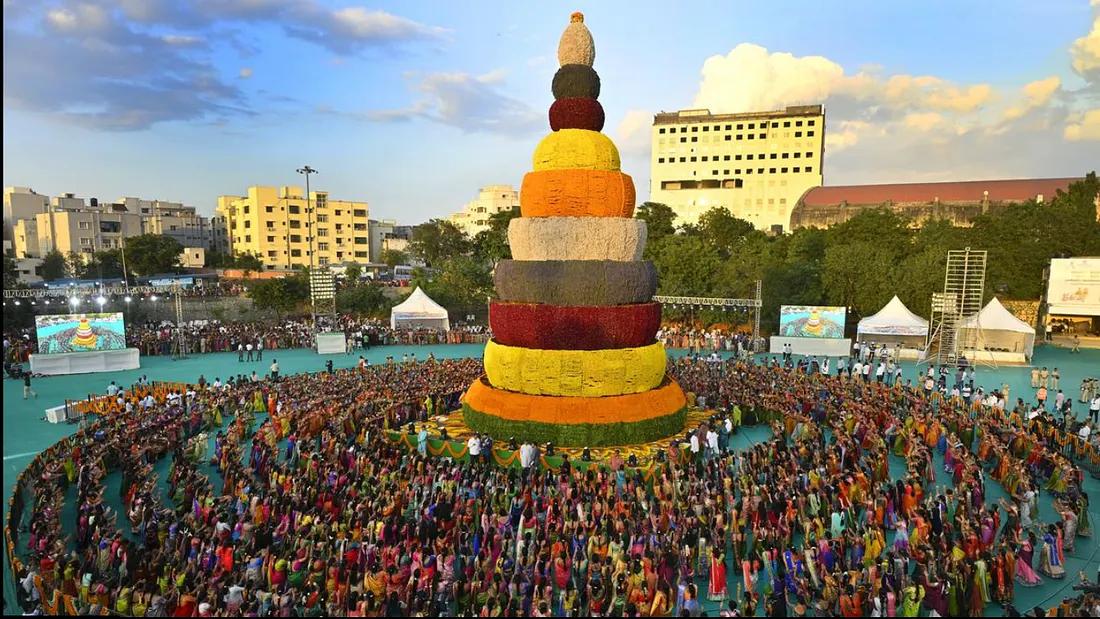
Festivals such as Bathukamma, Onam, and Pongal, deeply rooted in regional traditions, are now celebrated with equal enthusiasm in countries across the United States, Europe, and Southeast Asia. In American cities like Dallas, New Jersey, and Silicon Valley, Bathukamma gatherings bring together Telugu communities who assemble floral arrangements, sing folk songs, and celebrate the spirit of nature and womanhood. Similarly, Onam has grown into a grand community event in places such as London, Toronto, Singapore, and Kuala Lumpur, where elaborate pookalams, traditional Vallam Kali reenactments, and the iconic Onasadya transform public halls into vibrant cultural spaces.
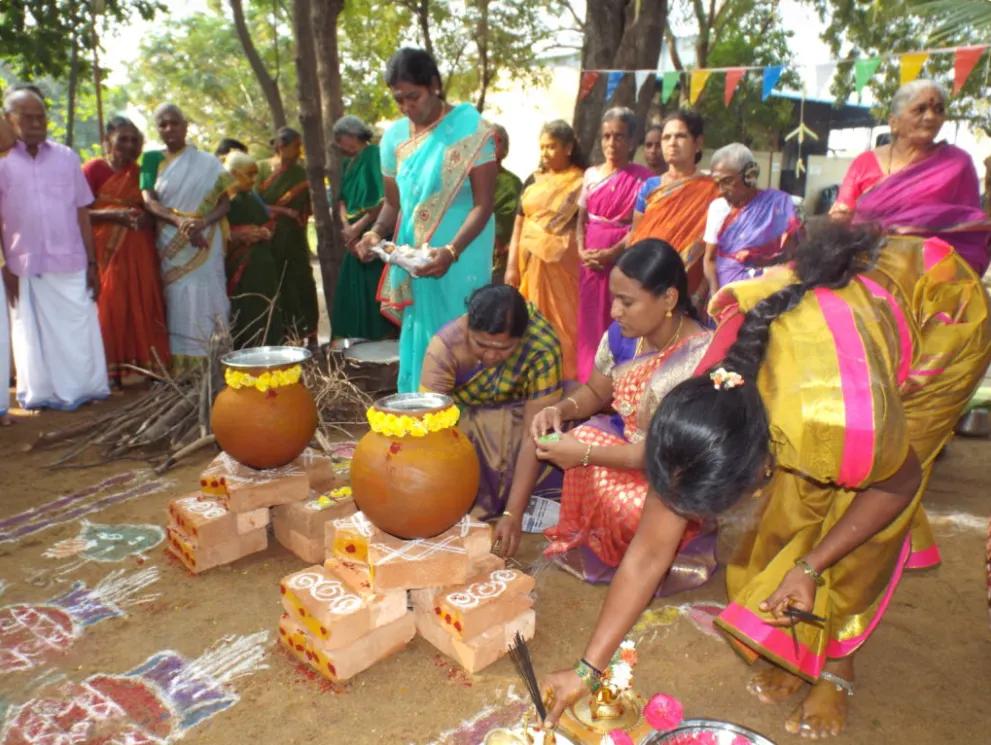
Pongal, the harvest festival of Tamil Nadu, is widely celebrated by Indian diaspora communities in countries such as the USA, the UK, Germany, Singapore, and Malaysia. Rituals like Surya pongal, kolam drawing, and the preparation of traditional dishes are observed with devotion, often involving local communities and second-generation Indians. These festivals are no longer confined to private homes; they are celebrated in universities, public parks, and cultural centres, inviting people of different nationalities to participate.
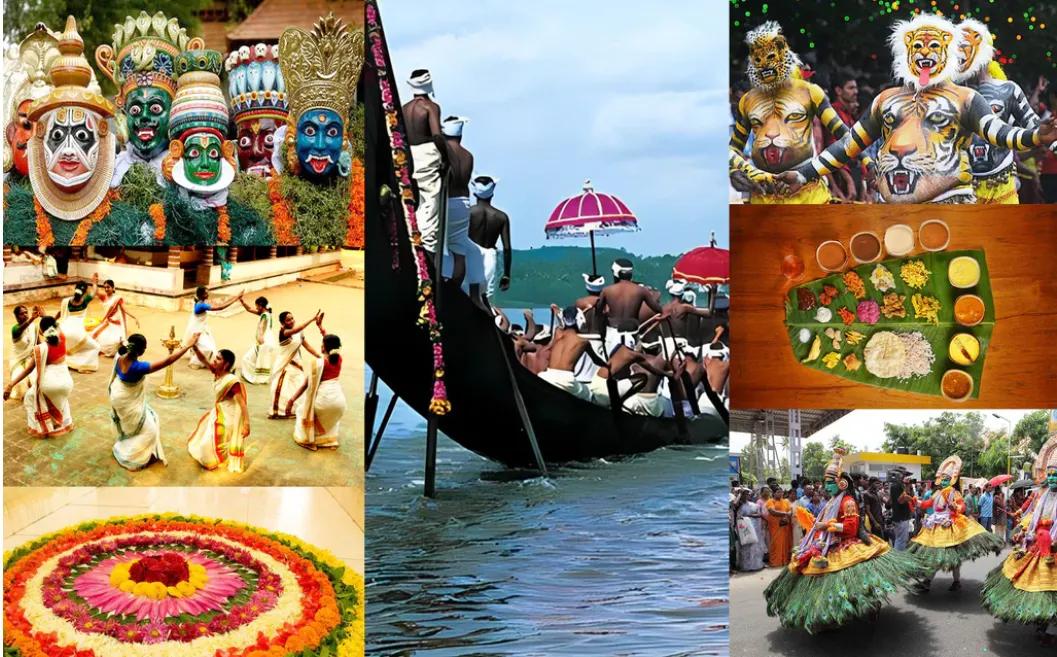
By showcasing these collective celebrations, India projects an image of a tolerant, pluralistic society that welcomes the world to partake in its heritage, transforming ancient rituals into instruments of modern cultural diplomacy.
Literature and Language: Voices That Echo Beyond Borders
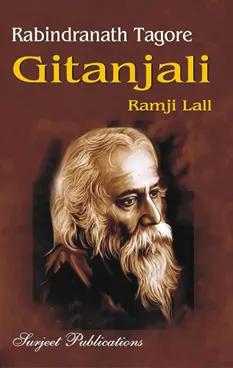
India’s literary and linguistic richness forms another pillar of its soft power. With over a thousand languages and dialects, India’s linguistic diversity is unmatched. Writers from Rabindranath Tagore to Sudha Murthy, R.K. Narayan to Salman Rushdie, have given voice to India’s spirit, weaving tales that capture the essence of humanity, freedom, and identity. Their narratives help transcend stereotypes and foster a deeper, more empathetic understanding of the Indian psyche.
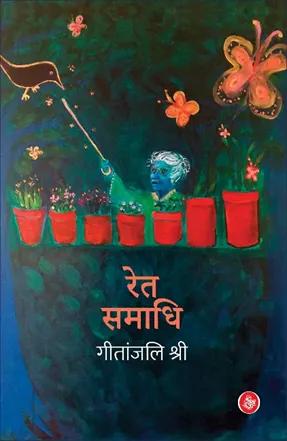
Beyond English, regional languages like Hindi, Tamil, Bengali, Urdu, Marathi and Malayalam nurture thriving literary worlds, each shaping India’s cultural ethos. The translation movement has further carried India’s poetic and philosophical heritage — like the Bhagavad Gita, Kalidasa’s Shakuntala, Vedas, Upanishads and modern vernacular masterpieces like “Ret Samadhi” by Gitanjali Shree and “Heart Lamp” by Banu Mushtaq — to global audiences. Through literature and language, India continues to echo in classrooms, libraries, and festivals across continents.
The historical influence of ancient Indian languages, particularly Sanskrit, on fields like mathematics, linguistics, and philosophy continues to draw scholars and spiritual seekers. Furthermore, the global propagation of Hindi and Tamil through Indian Cinema, diaspora communities, and academic programs ensures that India’s multilingual reality is appreciated as an intellectual asset. The accessibility of Indian thought, from the tenets of Buddhism to the concepts within the Upanishads, remains a powerful draw.
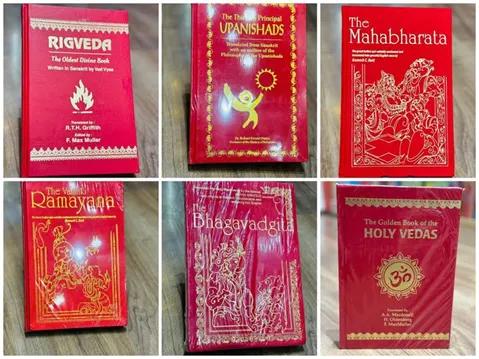
The Ramayana and Mahabharata, two of India’s greatest Sanskrit epics, are not just stories — they are cultural blueprints that have shaped art, architecture, literature, and performance across centuries and continents. These epics, composed thousands of years ago, depict ideals of dharma (duty), heroism, morality, and devotion, offering narratives that resonate universally. Temples, sculptures, and murals throughout India and Southeast Asia bring these stories to life. In places like Cambodia, Thailand, Indonesia, and Bali, temple reliefs, carvings, and dance dramas depict scenes from the Ramayana and Mahabharata, showing how Indian narrative and spiritual traditions travelled along trade and cultural routes long before modern globalisation.
Even today, the epics continue to inspire creators and audiences worldwide. Modern adaptations appear in theatre, television, cinema, and literature, while yoga, festivals, and cultural programs draw on the values and stories of these epics. Architectural motifs, temple layouts, and sculptures influenced by these epics remain central to Indian-inspired structures globally. From the Ramayana-themed carvings at Angkor Wat to performances of Mahabharata plays in Europe and the Americas, these Sanskrit epics continue to capture imagination and admiration.
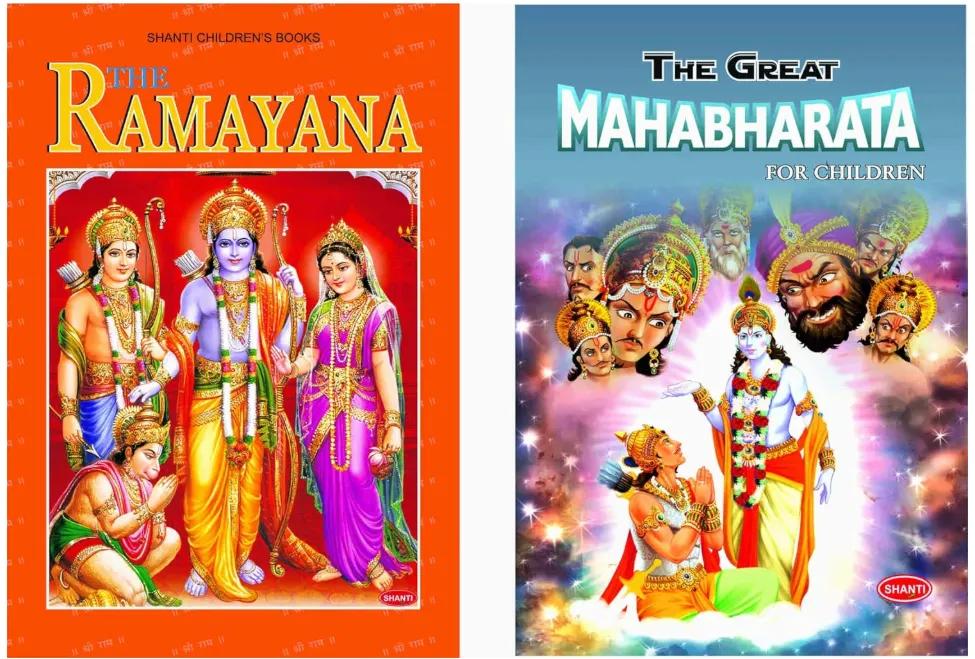
Similarly, Sangam literature, Tolkāppiyam, and Thirukkural did not remain confined to the Tamilakam(Home of the Tamils) but travelled widely through ancient trade routes, cultural interactions, and later through migration. Tamil merchants and scholars carried these works to Sri Lanka and Southeast Asia, where the Tamil language and culture took deep root. Over time, their influence spread further to Europe and the Americas through translations, academic study, and the efforts of the Indian diaspora. These texts became part of a larger global cultural exchange, contributing ideas about literature, language, ethics, and social life to societies far beyond India.
Even today, their relevance remains strong across the world. Sangam literature is studied internationally for its insights into early society and human emotions. Tolkāppiyam continues to inform linguistic and literary studies, and Thirukkural is widely respected for its universal moral teachings. Through universities, cultural organisations, festivals, and translations into many languages, these works continue to connect generations and cultures. Their enduring presence shows how ancient Indian literary traditions remain meaningful, respected, and influential in a modern, interconnected world.
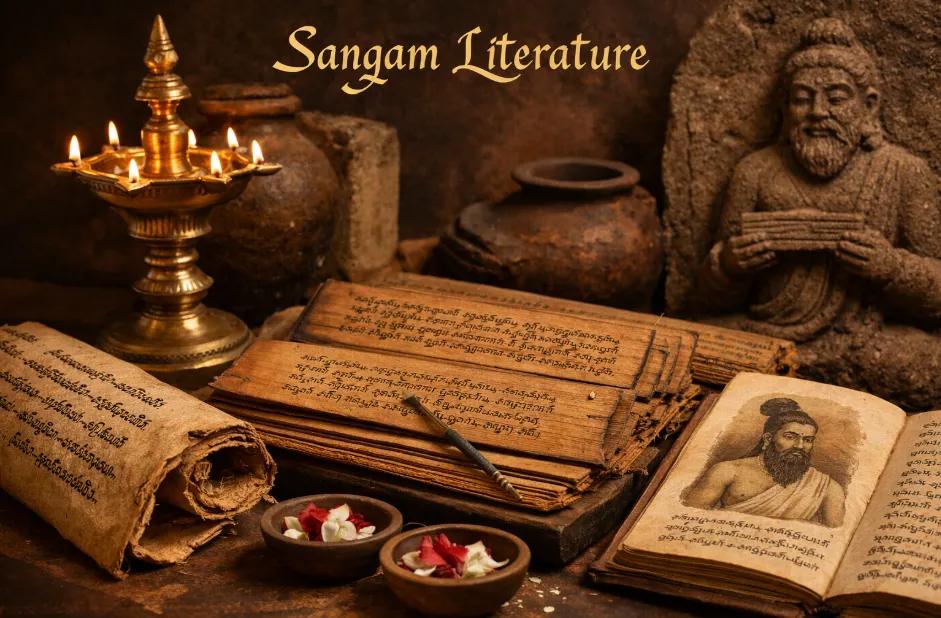
Events like the Jaipur Literature Festival, the Kerala International Book Festival, the Coimbatore Book Festival, and the World Book Fair in Delhi’s Pragati Maidan, now replicated in cities like London and Melbourne, showcase India’s intellectual vibrancy. Through its stories — told in 22 major languages and countless dialects — India continues to remind the world of the power of dialogue, diversity, and the transformative power of storytelling.
Crafts & Design:-
From the intricate weaves of Banarasi silk and the geometric precision of Madhubani and Warli art, from Kolhapuri chappals to the hand-carved woodwork of Saharanpur and the delicate embroidery of Kutch, every region tells its own story through texture, colour, and form. These creations embody centuries of tradition passed down through generations, blending utility with beauty and spirituality. Today, India’s artisanal excellence has found a new global audience.
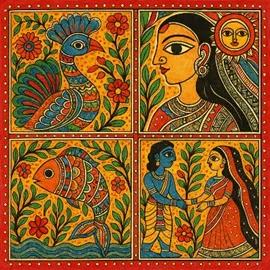
Sustainable fashion brands, international designers, and museums across the world are embracing Indian textiles, motifs, and eco-friendly production methods. The handloom industry — recognised by UNESCO and celebrated through campaigns like “Make in India”, ”One District One Product” and “India Handloom Brand” — is reviving age-old techniques while empowering rural artisans, many of whom are women, preserving heritage through skill. From Jaipur’s gemstone jewellery to Moradabad’s brassware, Indian design celebrates imperfection as art, simplicity as elegance, and diversity as strength. The global fascination with Indian decor, pottery, and handicrafts — from London boutiques to Tokyo homes — shows how India’s creativity transcends boundaries.

In North India, Kashmir’s Pashmina shawls, papier-mâché, and brassware, as well as Punjab’s Phulkari embroidery and Uttar Pradesh’s Chikankari, were highly valued by traders, royalty, and foreign travellers even in ancient times, reaching markets in Central Asia, Europe, and the Middle East. These crafts were admired for their intricate workmanship and exquisite detailing, and today they continue to be sought after internationally, with Pashmina shawls, Chikankari garments, and brass décor finding buyers across Europe, the Americas, and Asia.
Similarly, Western India’s vibrant textiles like Bandhani, Ajrakh, and Kutch embroidery, along with Rajasthan’s blue pottery and leatherwork, were exported along historic trade routes and remain popular today in global fashion and home décor markets. Central India’s Gond and Bhil paintings, Eastern India’s Madhubani, Pattachitra, and Assam silk weaving, and South India’s Kanchipuram silk, bronze casting, and Kalamkari were long appreciated for their artistic and spiritual significance, attracting collectors and patrons from foreign lands, and continue to be exported and celebrated worldwide.

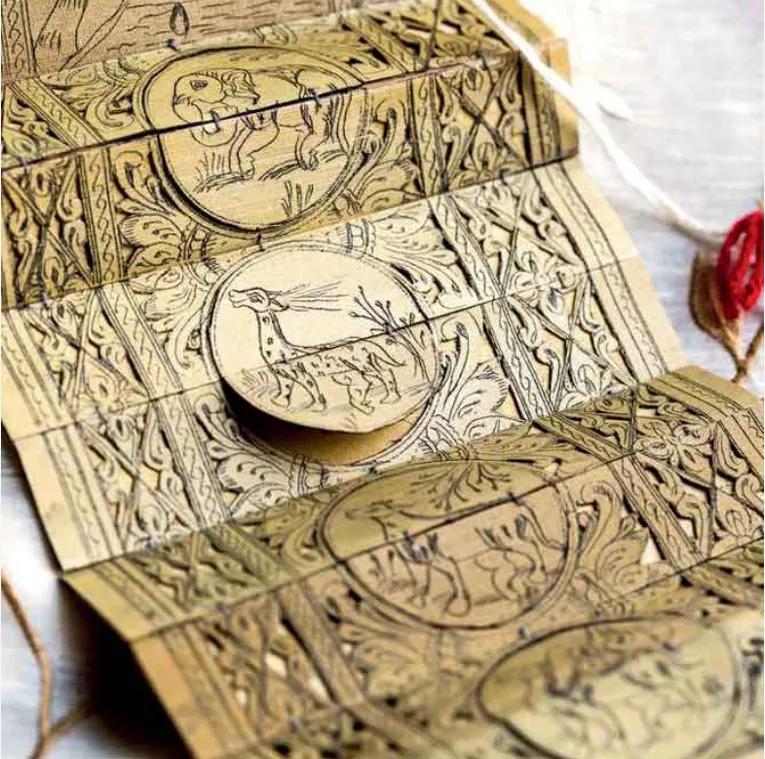
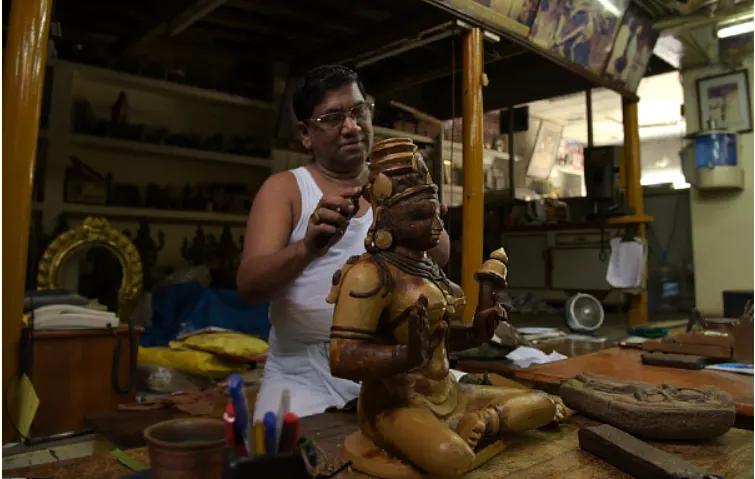
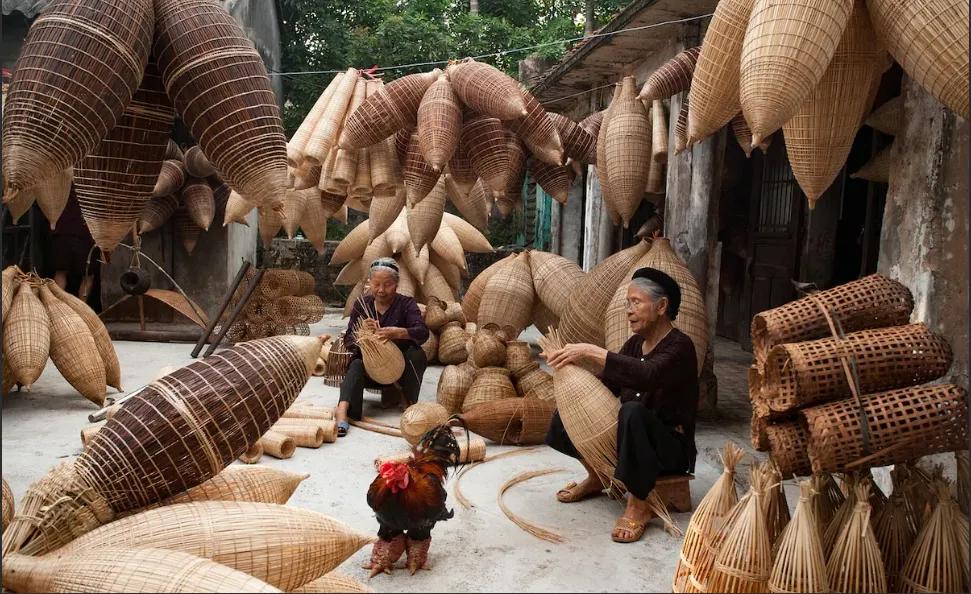
The Northeast and island regions of India add further richness to this heritage. Hand-woven textiles, bamboo and cane crafts, beadwork, and wood carvings from Assam, Nagaland, Manipur, and Meghalaya have been treasured locally and across Southeast Asia for centuries, admired for their intricate designs and eco-friendly materials. Similarly, the Andaman and Nicobar Islands and Lakshadweep contributed shell crafts, coconut-based artefacts, and coir products that were traded with travellers and merchants from neighbouring countries.
Indian Architecture: 1000 Wonders of the World
Indian architecture is more than stone, mortar, and design — it is a living narrative of the country’s history, culture, and philosophy. From ancient temples and stupas to forts, palaces, and modern urban planning, Indian architectural traditions reflect the region’s diversity, spirituality, and artistry. Structures like the Ajanta and Ellora caves narrate stories of devotion and craftsmanship, while the Khajuraho temples display the synthesis of art, religion, and human emotion. The Taj Mahal, with its timeless symmetry and elegance, communicates love and aesthetic sophistication, making Indian monuments instantly recognisable symbols of cultural achievement. Across regions, styles differ — South India’s Dravidian temples, North India’s Nagara-style temples, Rajasthan’s forts, Mughal gardens, and tribal dwellings of the Northeast — all showcase India’s plurality and creativity.
What makes ancient Indian architecture especially remarkable is its cultural influence beyond the subcontinent. Indian temple design, urban planning, and symbolic motifs travelled across Southeast Asia through trade, pilgrimage, inspiring the construction of monumental temples in Cambodia, Indonesia, Thailand, and Myanmar. The Angkor Wat temple in Cambodia, for instance, reflects South Indian temple styles, while Buddhist stupas influenced architecture in Sri Lanka, Nepal, and Southeast Asia. These structures carried Indian ideas of sacred space, cosmology, and aesthetics to distant lands, acting as silent ambassadors of Indian culture long before modern diplomacy existed.
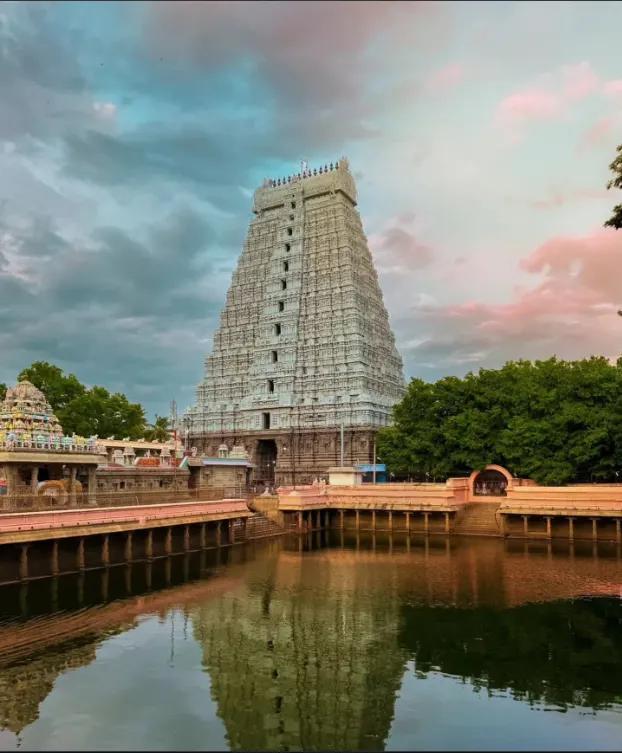
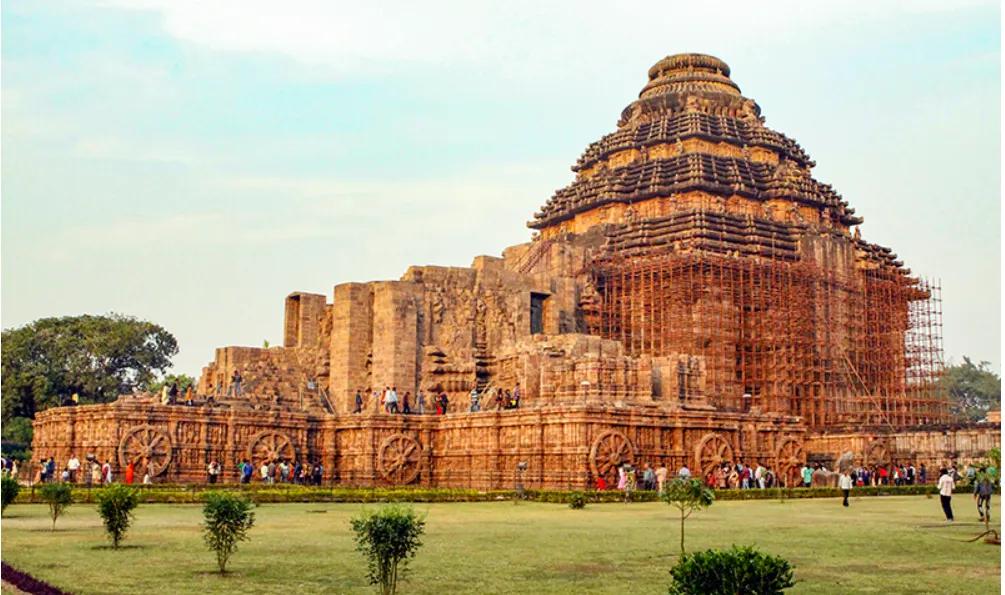
Across the subcontinent, every region developed unique styles that reflect local resources, beliefs, and artistic vision. South India’s Dravidian temples, such as the Brihadeeswarar Temple, Meenakshi Temple, and Shore Temple, stand out for their towering gopurams, intricate carvings, and precise geometrical layouts, serving as centres of art, learning, and devotion. In Maharashtra, the rock-cut caves of Ellora, Elephanta, and Ajanta showcase monolithic craftsmanship, elaborate sculptures, and storytelling through stone, while Odisha’s Sun Temple at Konark, Lingaraj Temple, and Jagannath Temple are celebrated for their towering rekha deuls, rhythmic layouts, and exquisite sculptural ornamentation. Madhya Pradesh, with monuments like Khajuraho’s temples, adds to this legacy through masterful stone carvings that depict human life, mythology, and spirituality, blending structural ingenuity with aesthetic brilliance.
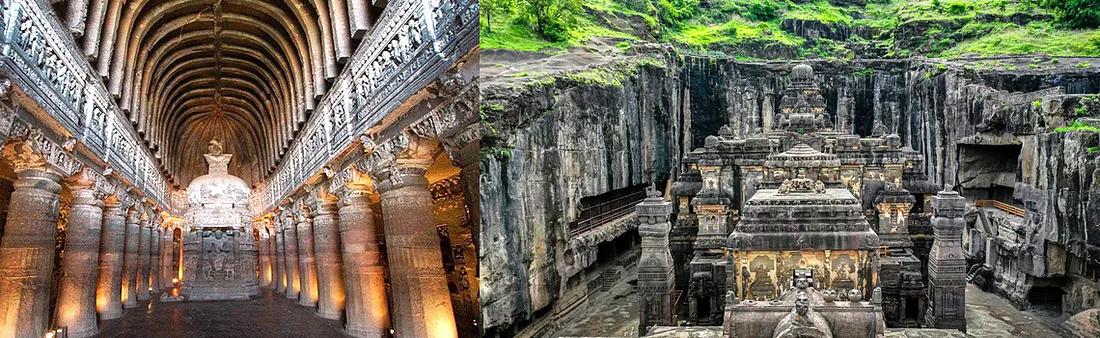
Ajanta Caves, Chhatrapati Sambhajinagar district,Maharashtra
These architectural marvels have influenced cultures far beyond India. Indian temple design, urban planning, and rock-cut techniques travelled through trade, pilgrimage, inspiring temples in Southeast Asia, Sri Lanka, and beyond. From ancient travellers praising the precision of South Indian gopurams to modern tourists marvelling at Odisha’s carvings and Madhya Pradesh’s sculptural monuments, these monuments continue to be admired worldwide. Their study in universities, exhibitions in international museums, and inclusion as UNESCO World Heritage sites ensure that Indian architecture remains a symbol of cultural pride and a lasting ambassador of India’s artistic and spiritual heritage.
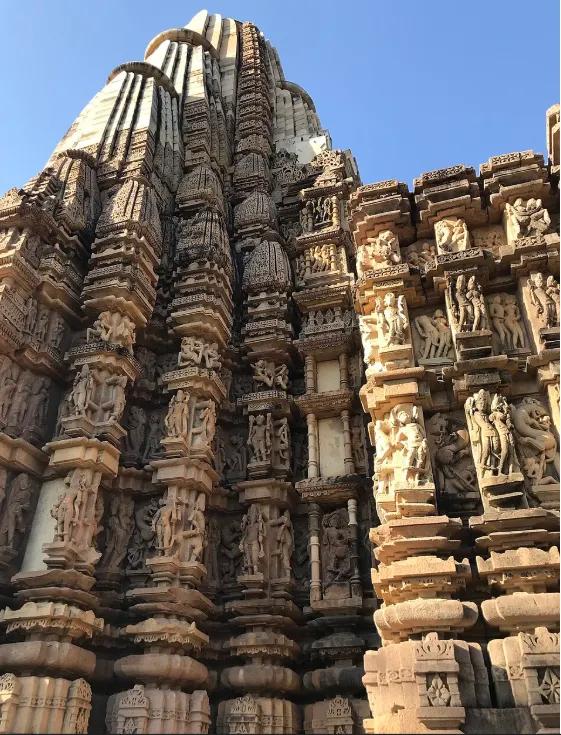
Khajurao Temple, Madhya Pradesh
Technology and Innovation: The Smart Powers of India
India’s soft power is no longer confined to tradition — it thrives in technology too. In the digital age, India’s soft power has taken a modern, dynamic turn. Technology and innovation have become new instruments of influence, showcasing the nation’s intellect and adaptability. India’s IT hubs like Bengaluru, Gurugram, and Hyderabad have redefined how the world perceives Indian capability — not just as service providers but as pioneers.
From the success of the Chandrayaan lunar missions to the global impact of Digital India and UPI Payments, where now countries like France and Russia have also implemented UPI in their countries by monitoring India’s growth in digital payments, the nation demonstrates that ancient wisdom and modern innovation can coexist beautifully.
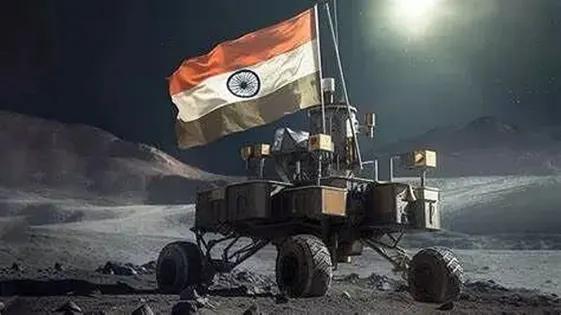
Chandrayaan Mission: Pragyan Rover on the Moon
Technology has also amplified traditional soft power. Yoga classes streamed online, Ayurvedic wellness apps, and Indian films on global platforms ensure the country’s culture resonates everywhere. The synergy of heritage and innovation is shaping a new narrative — one where India leads not only in wisdom but also in the future.
This blend of intellect and innovation represents a modern dimension of soft power — where knowledge becomes influence.

In conclusion, India’s soft power lies not in domination but in inspiration. Through yoga’s pursuit of balance, Ayurveda’s holistic healing, the irresistible charm of its cuisine, and the storytelling brilliance of Indian Cinema, India continues to touch hearts and shape global culture. These timeless expressions of its heritage remind the world that true strength stems from wisdom, empathy, and connection. As nations seek unity in diversity, India stands as a living example — offering not just traditions, but timeless values that bridge people and generations.
Yogesh M. Mundle, EC23I2016:
I take great pride in being born in Bharata— a land that gave the world the profound philosophy of वसुधैव कुटुंबकम. Despite its vast diversity, Bharat stands united, preserving its traditions and cultural values through the ages. I am deeply intrigued by the architectural excellence of ancient temples, which reflect the advanced knowledge and perfection achieved in earlier eras. Indian music, dance forms, ragas, and spiritual teachings resonate strongly with me, evoking a deep personal connection and a sense of belonging that feels rooted in my own heart.